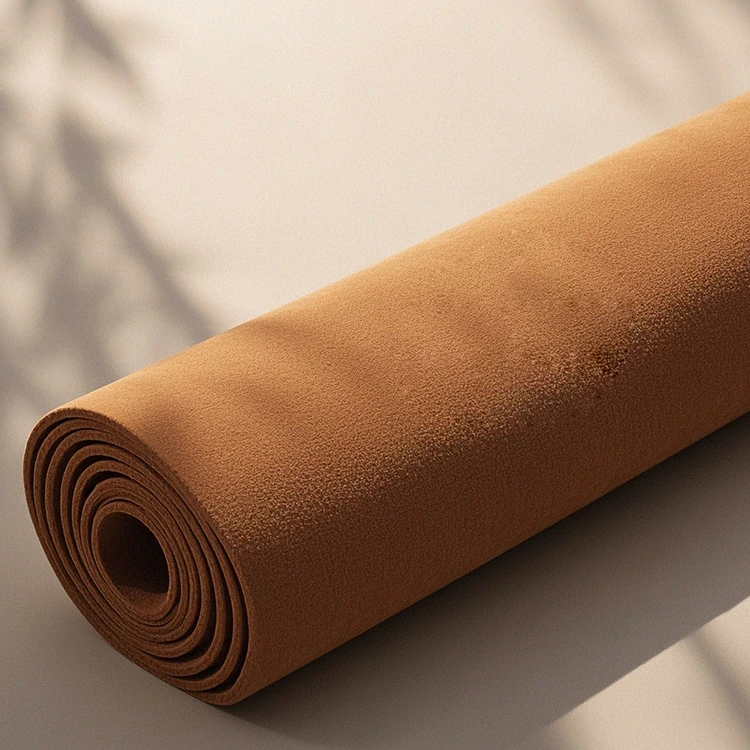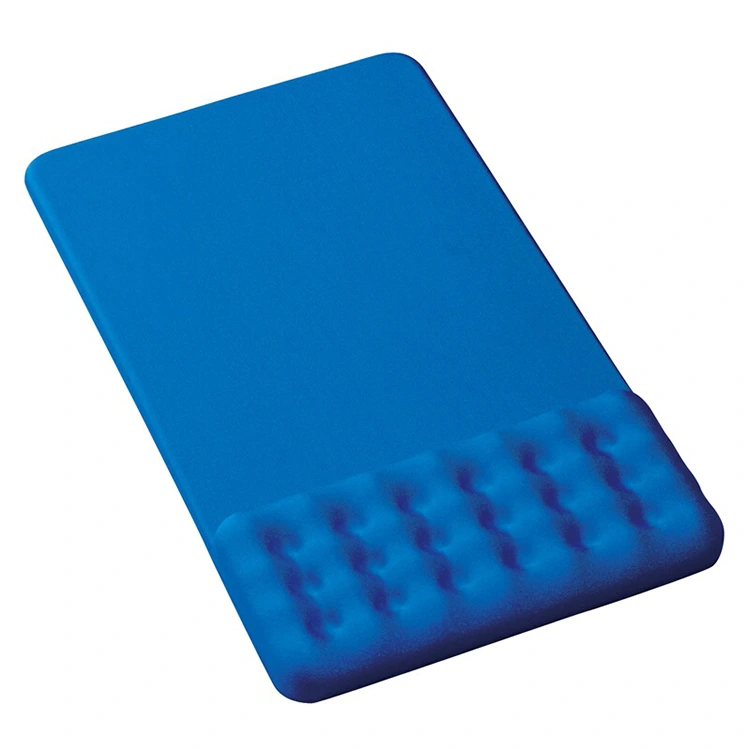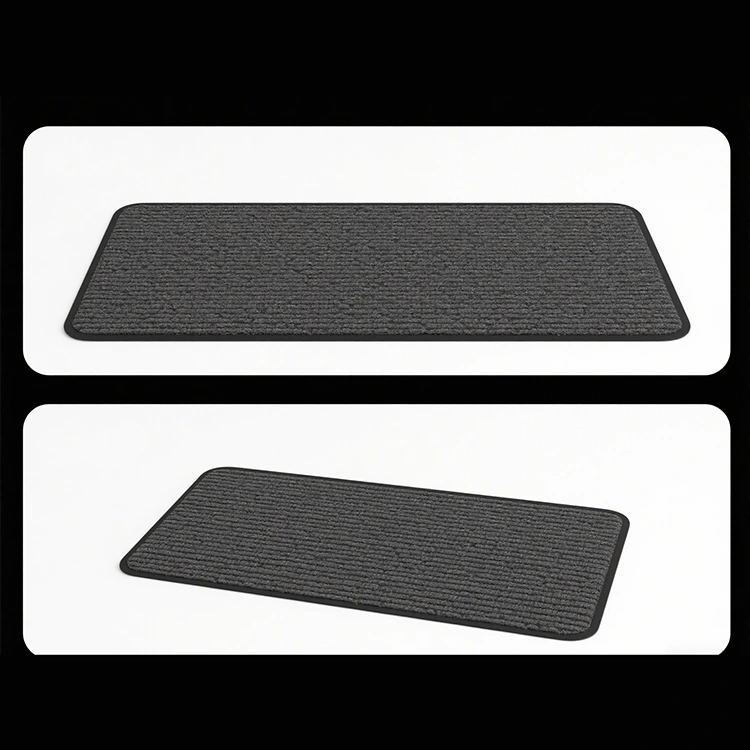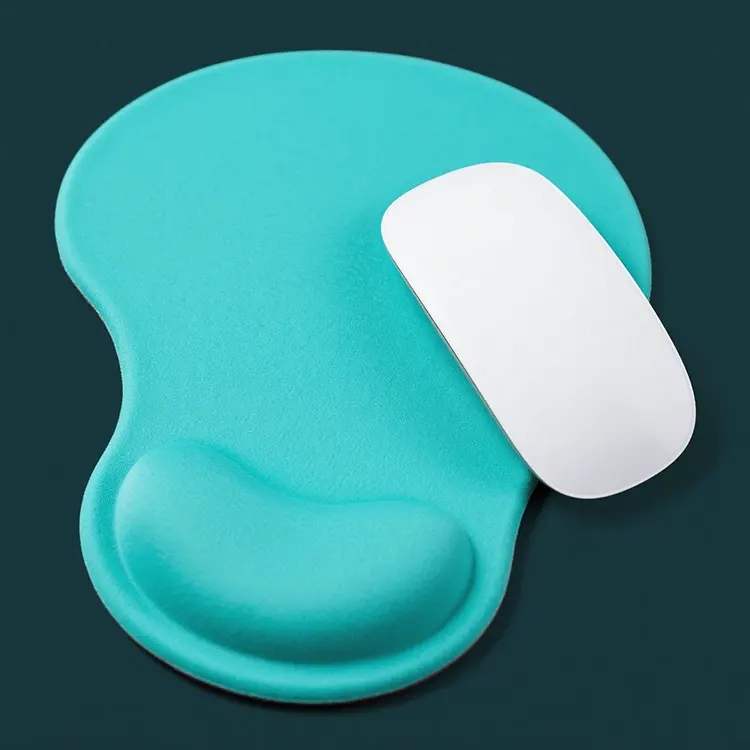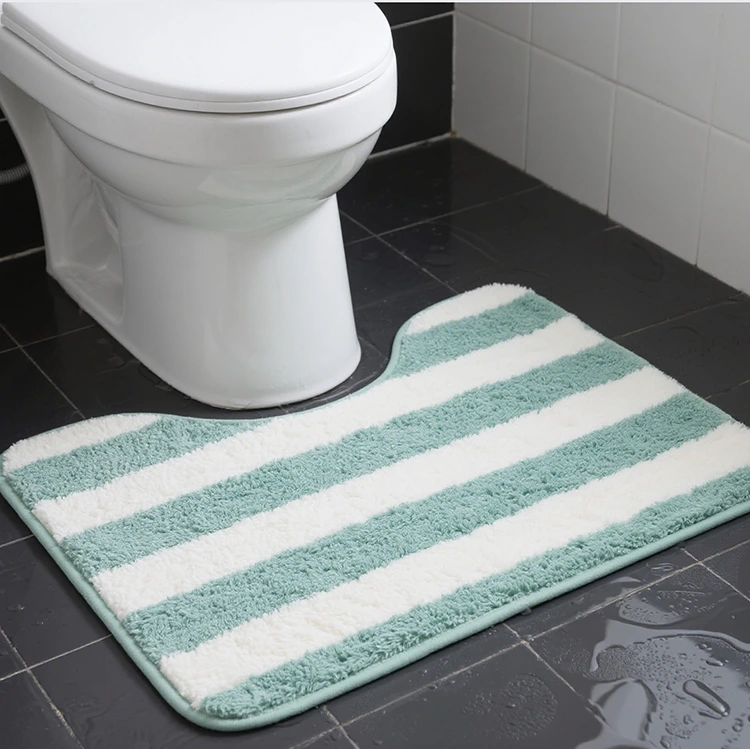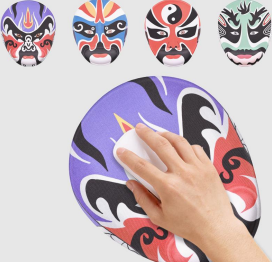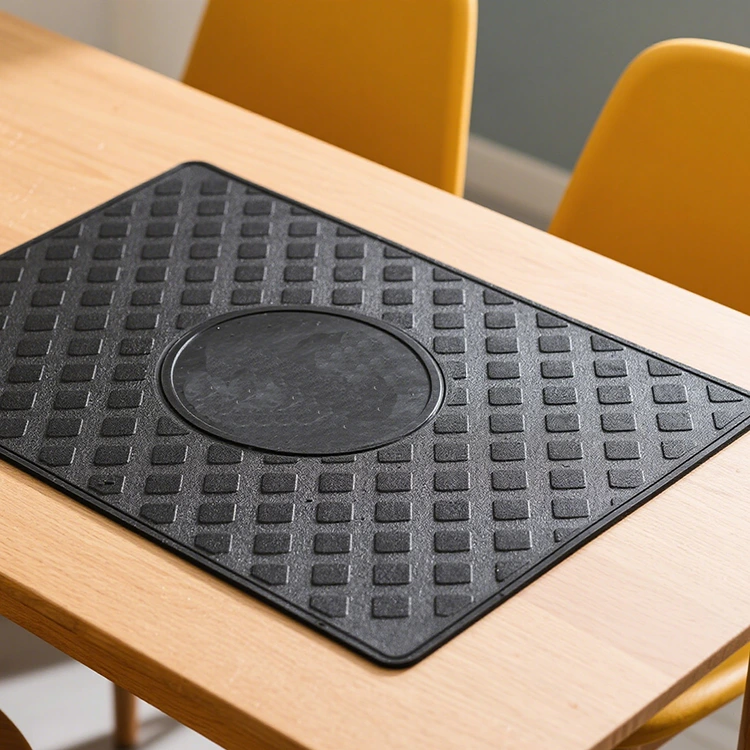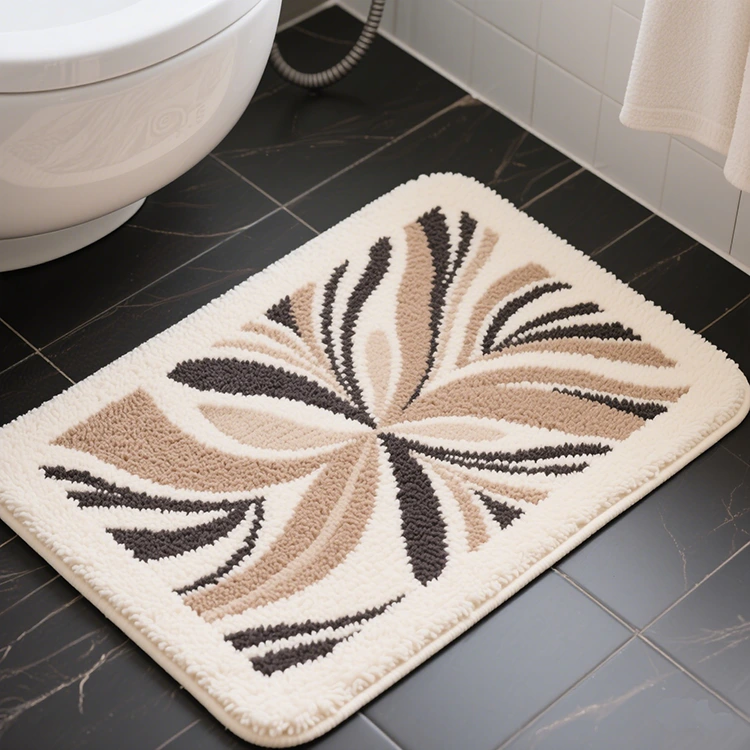

A kitchen floor mat is more than a decorative accessory; it plays a critical role in safety, comfort, hygiene, and long-term floor protection. With constant foot traffic, frequent spills, and extended standing during food preparation, choosing the wrong mat can lead to slipping hazards, fatigue, or premature floor damage. This article provides a structured and practical guide to selecting a kitchen floor mat that addresses real household and commercial pain points. Topics include material selection, anti-slip performance, ergonomic support, maintenance requirements, and suitability for different kitchen environments.

The kitchen is one of the most demanding spaces in any home or commercial facility. Water splashes, oil drips, and food residues are unavoidable. Standing for long periods while cooking or washing dishes can also cause leg and lower back fatigue. A properly designed kitchen floor mat acts as a protective and ergonomic layer between the user and the hard floor.
Beyond comfort, a kitchen floor mat helps reduce slip risks, protects flooring from scratches and stains, and contributes to overall cleanliness. For households with children or elderly members, and for professional kitchens with high safety requirements, this function becomes even more critical.
Material selection determines most of a kitchen floor mat’s performance. Each material type offers different advantages depending on usage conditions.
| Material Type | Slip Resistance | Comfort Level | Ease of Cleaning | Recommended Use |
|---|---|---|---|---|
| PVC / Vinyl | High | Medium | Very Easy | Home and light commercial kitchens |
| Rubber | Very High | Low to Medium | Easy | Professional kitchens |
| Foam Cushion | Medium | High | Moderate | Extended standing areas |
Different kitchens require different solutions. For residential kitchens, comfort and appearance often take priority, while commercial kitchens focus on safety and compliance.
Proper maintenance extends the lifespan of a kitchen floor mat. Non-absorbent mats can usually be wiped with a damp cloth and mild detergent. Fabric-based mats should be machine washable and fully dried before reuse. Regular cleaning prevents grease buildup and maintains slip resistance.
It is also advisable to periodically check the mat’s backing to ensure it maintains proper grip on the floor surface.
Selecting the right kitchen floor mat requires a clear understanding of daily kitchen activities, safety needs, and maintenance expectations. By focusing on material quality, anti-slip performance, and ergonomic support, users can significantly improve comfort and safety in the kitchen environment.
For reliable and well-designed kitchen floor mat solutions, SH33TS offers options engineered for durability, hygiene, and everyday comfort. To explore suitable products or discuss specific requirements, contact us and connect with the SH33TS team for professional support.