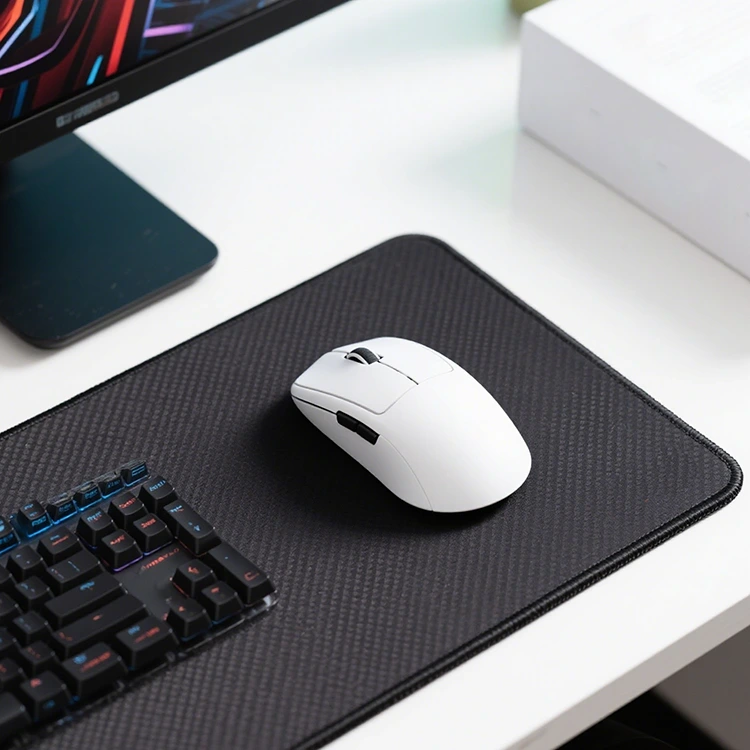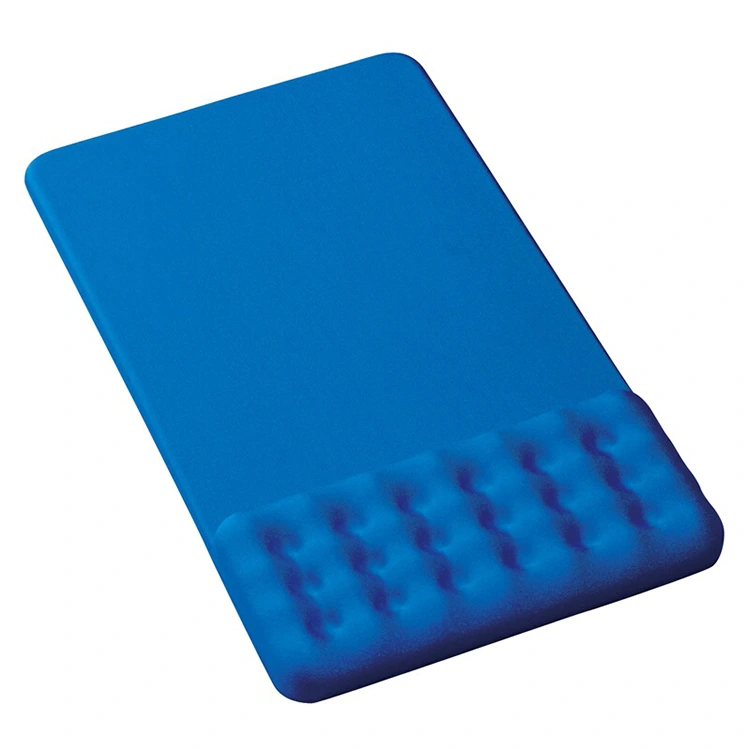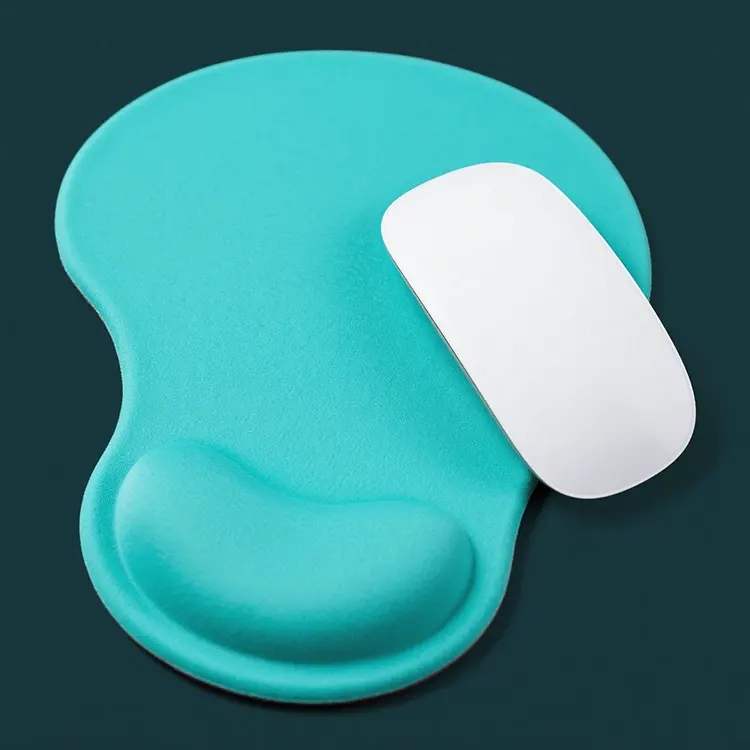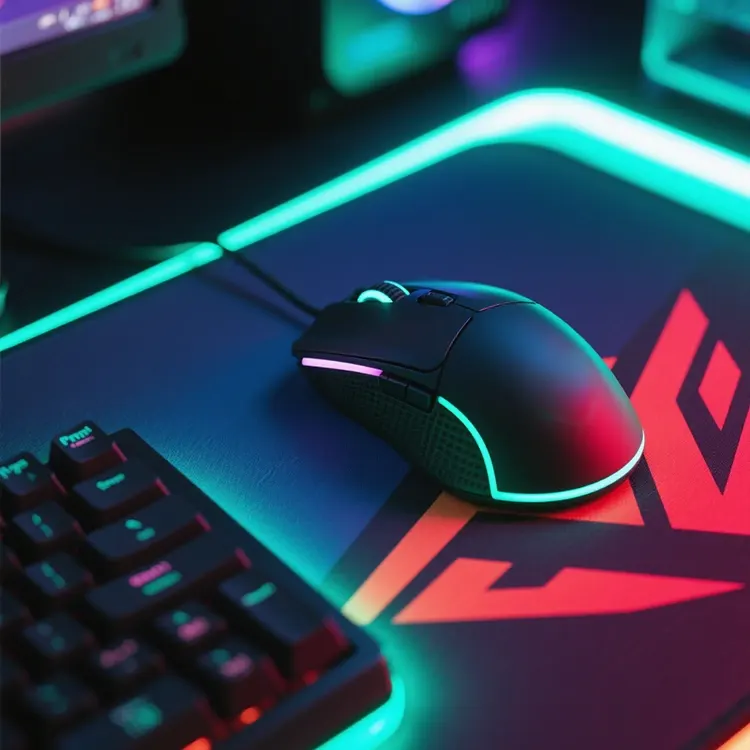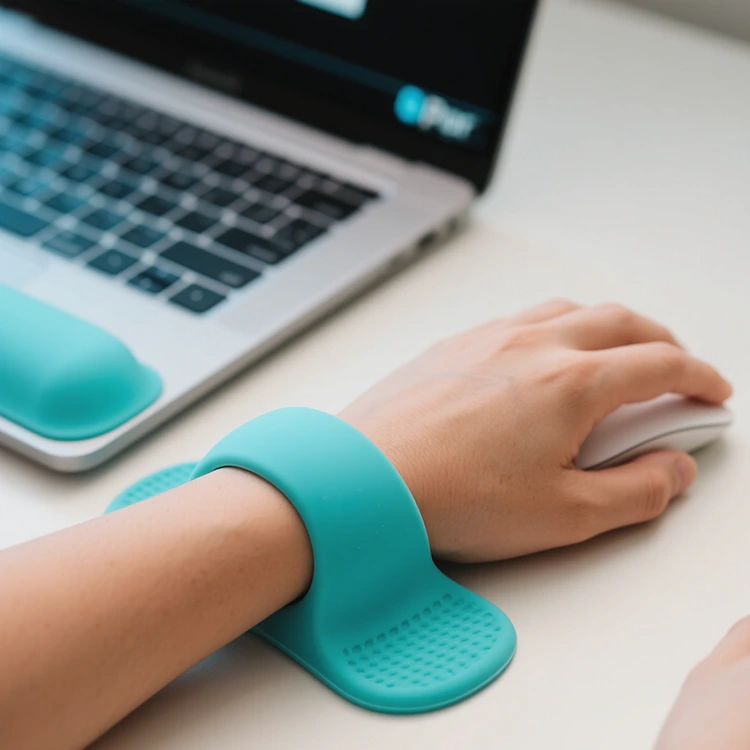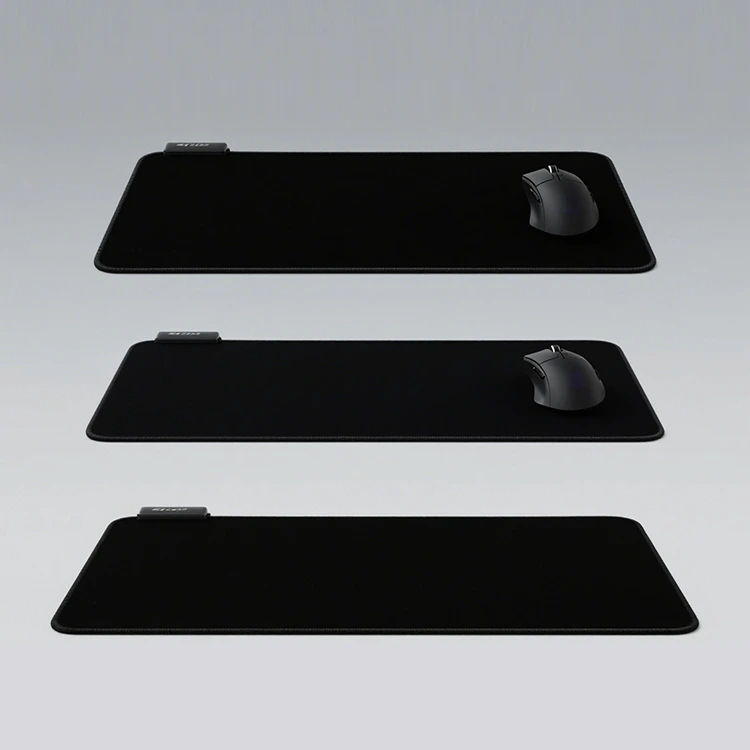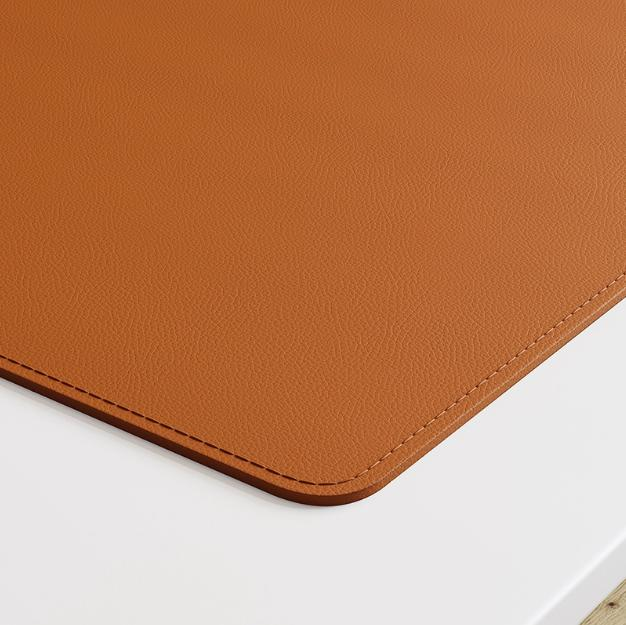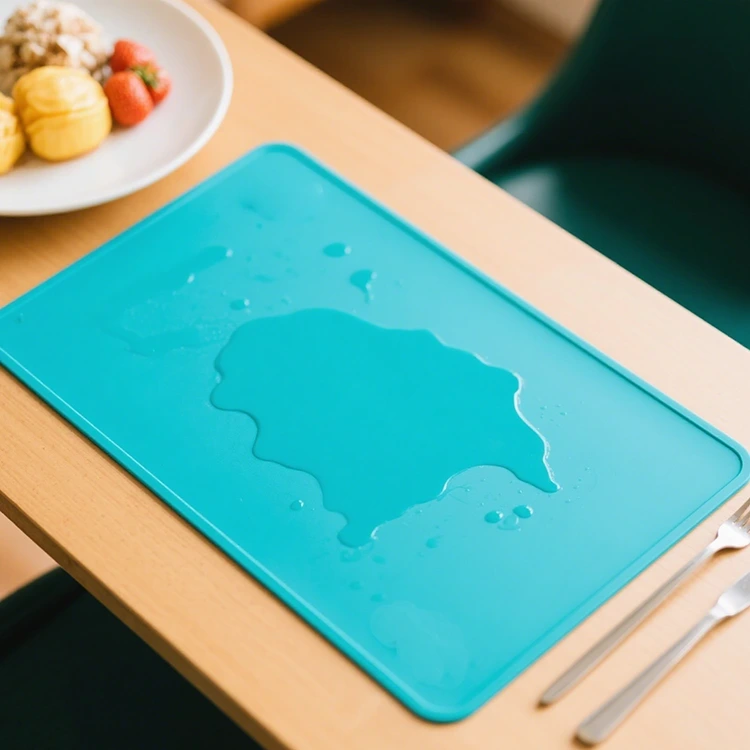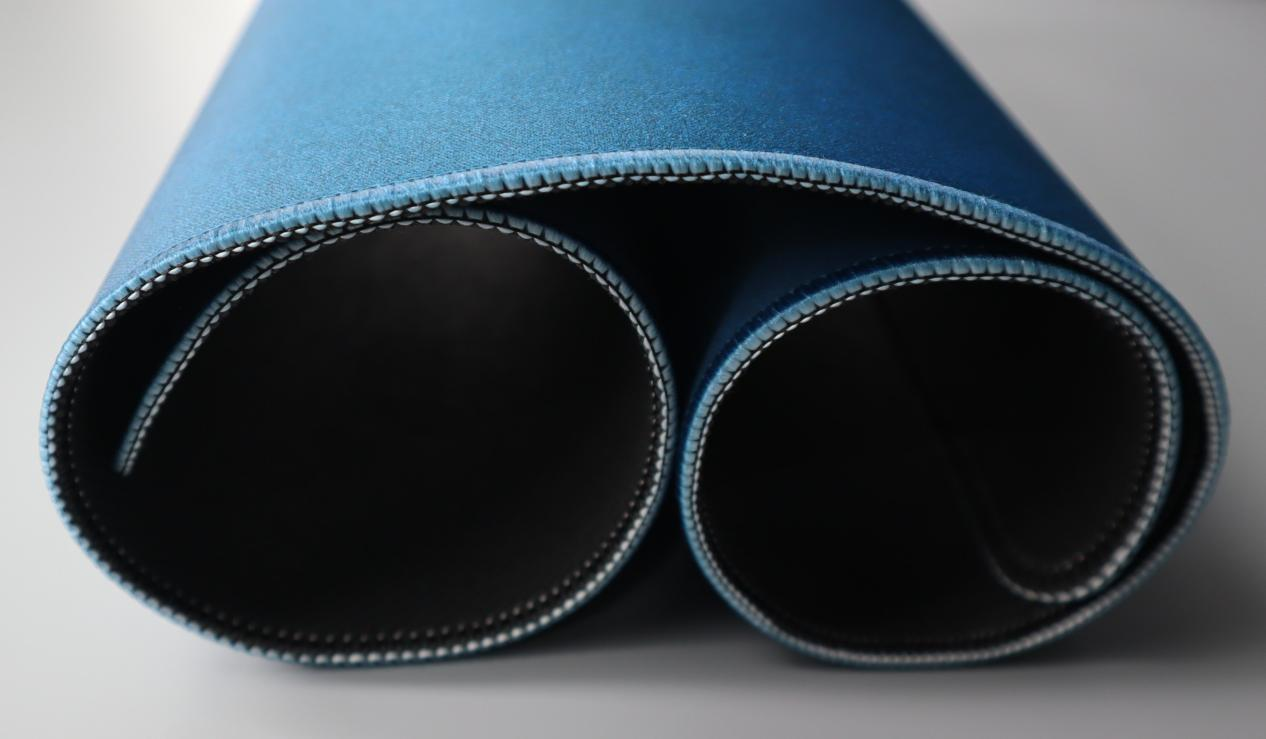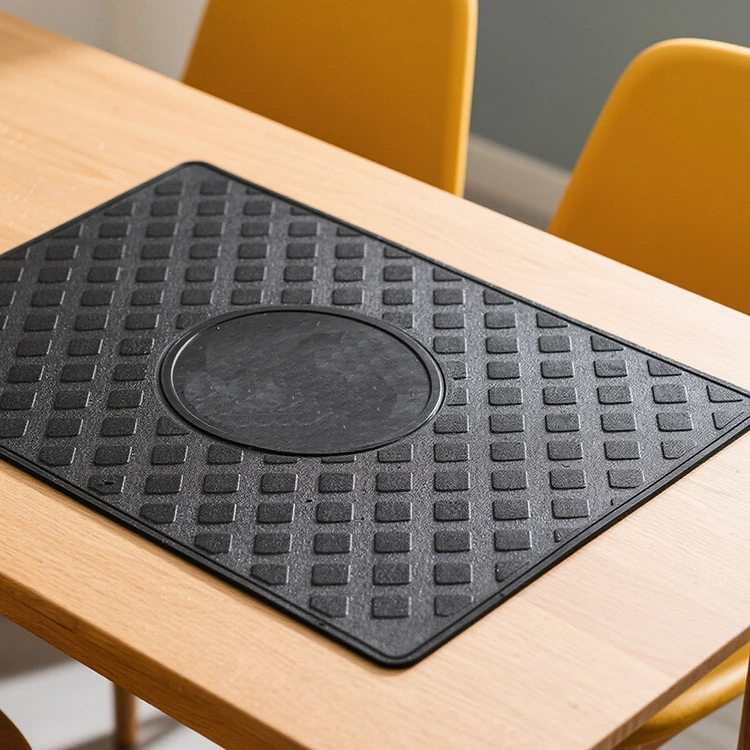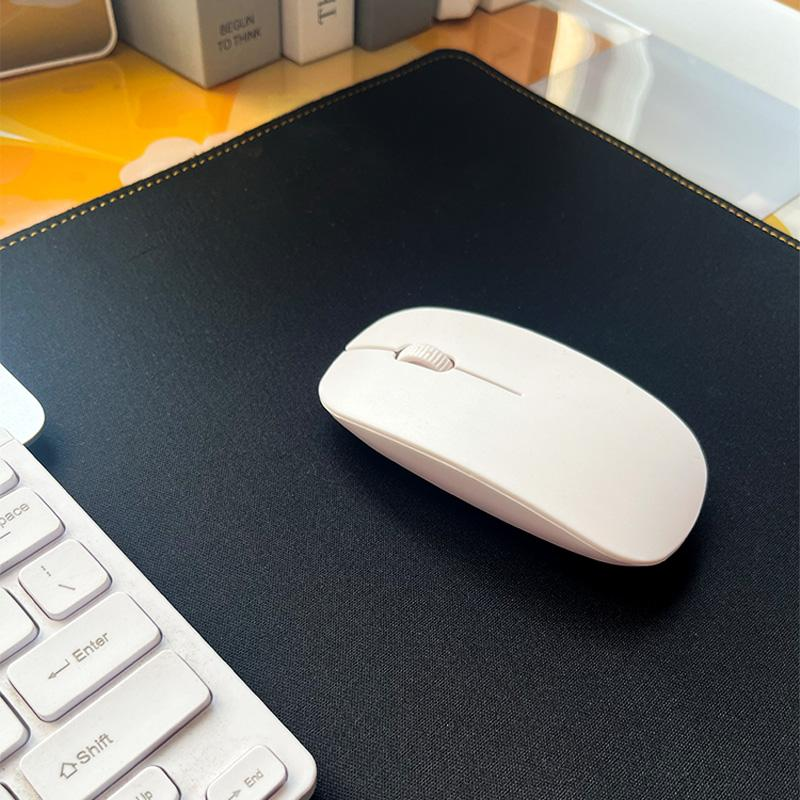

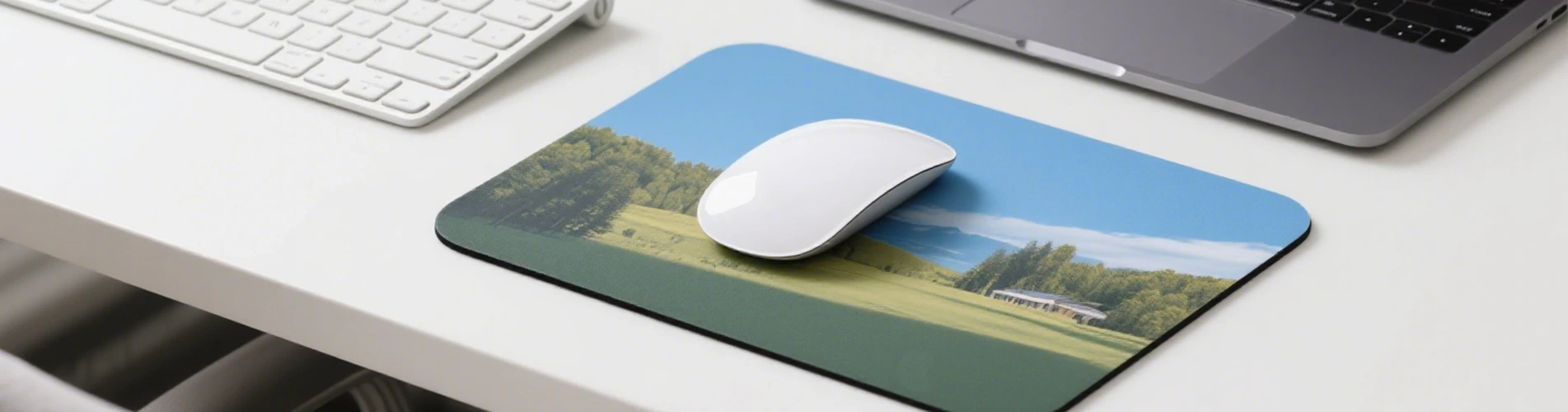
As workspaces continue to become more flexible and personalized, Printed Rubber Mouse Pad designs are evolving from simple computer accessories into functional elements that reflect individual preferences, brand environments, and modern desk organization trends.
The rapid growth of remote work, hybrid offices, gaming setups, and creative studios has changed the way people view desktop accessories. A mouse pad is no longer only a surface for improving cursor movement. Its size, texture, appearance, and material construction are increasingly connected with comfort, workspace identity, and daily user experience.
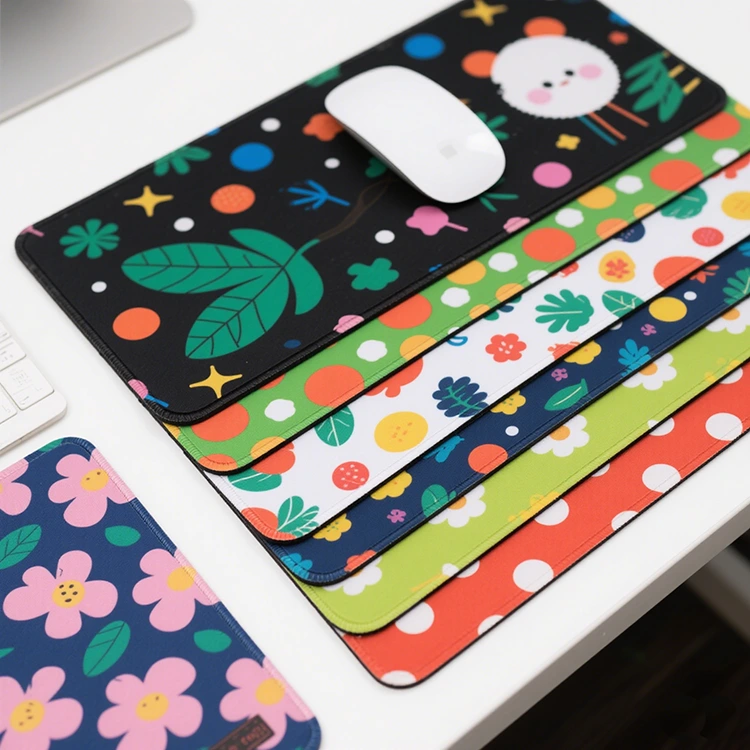
The Shift From Basic Accessories to Personalized Desk Elements
For many years, mouse pads were mainly considered practical tools. Their primary purpose was to provide a smoother tracking surface and protect desks from scratches caused by repeated mouse movement.
However, modern work environments have become more visually focused. Home offices, shared workspaces, and personal computer stations often include carefully selected furniture, lighting, storage solutions, and decorative elements. Within this environment, desktop accessories are becoming part of the overall workspace design.
Personalization has become an important trend because users want their work areas to match their habits and preferences. Patterns, colors, logos, illustrations, and customized graphics allow ordinary desk items to become visually connected with the surrounding environment.
Printed Rubber Mouse Pad products represent this change by combining practical surface performance with visual customization possibilities.
Why Printed Designs Are Gaining Attention in Modern Workspaces
The development of digital printing technology has expanded the possibilities for mouse pad designs. Compared with traditional single-color surfaces, printed designs can present detailed images, gradients, patterns, and complex visual elements.
This change supports different workspace requirements:
| Workspace Type | Common Design Preference | Functional Consideration |
|---|---|---|
| Home office | Minimal patterns, personal styles, lifestyle themes | Comfort during long working hours |
| Corporate office | Brand-related graphics or organized visual themes | Consistent workplace appearance |
| Gaming setup | Dynamic graphics and large-format designs | Smooth movement and desk coverage |
| Creative studio | Artistic patterns and custom illustrations | Visual inspiration and individuality |
The growing interest in personalized accessories reflects a broader movement toward creating environments that support both productivity and personal expression.
Rubber Materials Improve Everyday Desk Experience
While appearance attracts attention, material performance remains a key factor in mouse pad development.
Rubber backing has become widely used because it helps improve stability on different desk surfaces. A mouse pad that moves during operation can interrupt workflow, especially during tasks requiring precision, such as graphic design, gaming, editing, or detailed office work.
The combination of a printed upper surface and rubber backing creates a balance between visual design and practical use.
Important considerations include:
- Surface texture for consistent mouse tracking
- Flexible structure for easy storage and transportation
- Stable backing to reduce unwanted movement
- Resistance to daily wear from repeated use
- Easy maintenance for long-term desktop cleanliness
These factors show why material selection continues to influence the development of modern desk accessories.
Digital Printing Technology Expands Design Possibilities
One of the major changes in the mouse pad industry is the improvement of printing technology.
Earlier printing methods often limited design complexity, especially when producing detailed images or multiple colors. Modern digital printing processes allow more flexible patterns and clearer visual effects.
This development supports smaller design variations and more diverse applications.
For example, businesses can create workspace accessories with consistent visual identities, while individuals can select designs that match hobbies, interests, or room decoration styles.
The trend is not only about adding images to products. It represents a wider movement toward products designed around specific user environments.
The Growth of Multi-Function Workspace Culture
The modern desk has become a place for many activities. A single setup may be used for professional meetings, online learning, gaming, content creation, and personal entertainment.
Because of this, users increasingly prefer accessories that can adapt to multiple scenarios.
Large mouse pads, extended desk mats, and printed surfaces have gained attention because they can cover larger working areas while maintaining a consistent appearance.
A well-designed workspace can help organize frequently used equipment such as keyboards, monitors, notebooks, and other digital devices. The mouse pad becomes part of the overall arrangement rather than an isolated accessory.
Environmental Considerations Influence Product Development
Sustainability has also become an important topic across household and office product categories.
As awareness of material use increases, companies are exploring ways to improve production efficiency, reduce unnecessary waste, and select more responsible materials.
For printed desk accessories, this includes considerations such as:
- More efficient printing processes
- Reduced material waste during production
- Longer product lifespan through improved construction
- Packaging optimization
These factors are gradually becoming part of how modern products are evaluated.
Printed Mouse Pads in Corporate and Creative Environments
Personalized workspace accessories are not limited to individual users. Many organizations are also paying more attention to workplace appearance and employee experience.
In offices, coordinated desk accessories can contribute to a more consistent visual environment. In creative industries, customized patterns and designs may support a stronger connection between workspace atmosphere and organizational identity.
Educational environments, exhibitions, and events may also use printed desk accessories as part of their visual communication approach.
The increasing range of applications demonstrates how a simple computer accessory can adapt to different scenarios.
The Role of Manufacturing Flexibility in Product Innovation
The expansion of personalized products requires flexible production capabilities. Different designs, sizes, materials, and application requirements often require adaptable manufacturing processes.
Ningbo Xici Technology Co., Ltd. has developed its product range from household appliance manufacturing toward broader categories including smart home products, office supplies, sports accessories, and digital peripherals. Supported by the manufacturing foundation of Cixi Meibang Electric Appliance Co., Ltd., the company integrates production experience with cross-category product development.
This type of manufacturing background reflects a wider industry trend: companies are increasingly combining traditional production capabilities with changing market needs and diverse product applications.
Future Trends: More Personalized and Scenario-Based Accessories
The future development of desk accessories is likely to focus on stronger connections between products and usage environments.
Instead of producing accessories with only basic functions, product design is increasingly influenced by:
- Personal preferences
- Workplace layout
- Digital lifestyles
- Visual identity
- Sustainability expectations
Printed Rubber Mouse Pad products represent one example of this transition. They show how everyday items can evolve through improvements in materials, printing technology, and design flexibility.
Conclusion
The transformation of workspaces in 2026 is creating new expectations for everyday desk accessories. Products are no longer judged only by basic functionality but also by how well they fit personal habits, visual preferences, and modern working environments.
The development of Printed Rubber Mouse Pad solutions reflects this shift, combining practical surface performance with personalized design possibilities. As workspace trends continue to evolve, companies such as Ningbo Xici Technology Co., Ltd. are participating in the broader movement toward more adaptable, functional, and user-oriented desktop products.