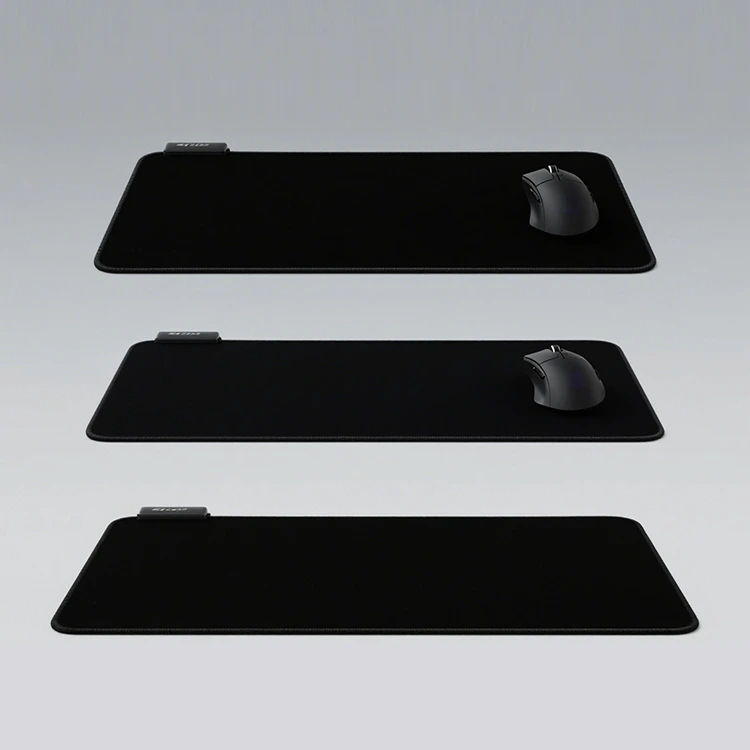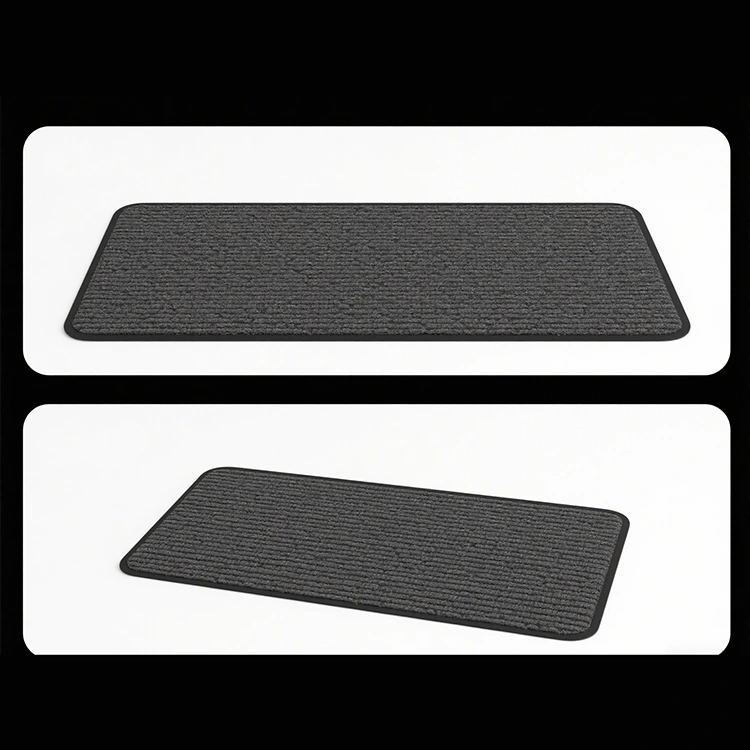
Ningbo Xici Technology Co., Ltd. highlights how the Waterproof Rubber Table Mat is helping electronics assembly environments improve safety, durability, and workspace reliability through dual-layer design innovation.
In modern electronics assembly, protecting sensitive components is no longer only about precision tools and skilled operations. The working surface itself plays an important role in maintaining product quality. As electronic devices become smaller and more complex, static electricity, moisture exposure, and surface damage have become common challenges in production and repair environments.
Dual-layer construction has emerged as an effective solution because it combines different material functions into one working platform. Instead of relying on a single material to handle every requirement, a layered structure allows each part of the mat to perform a specific role, creating a safer and more stable workspace.
Electronics assembly areas often involve delicate circuit boards, semiconductor components, sensors, and precision equipment. Even a small amount of uncontrolled static discharge may affect component performance, while accidental liquid contact can create additional risks.
Traditional table coverings may provide basic protection, but they often struggle to balance multiple requirements at the same time. A surface that is soft enough to protect components may not provide enough resistance against wear, while a hard surface may not offer sufficient protection during daily operations.
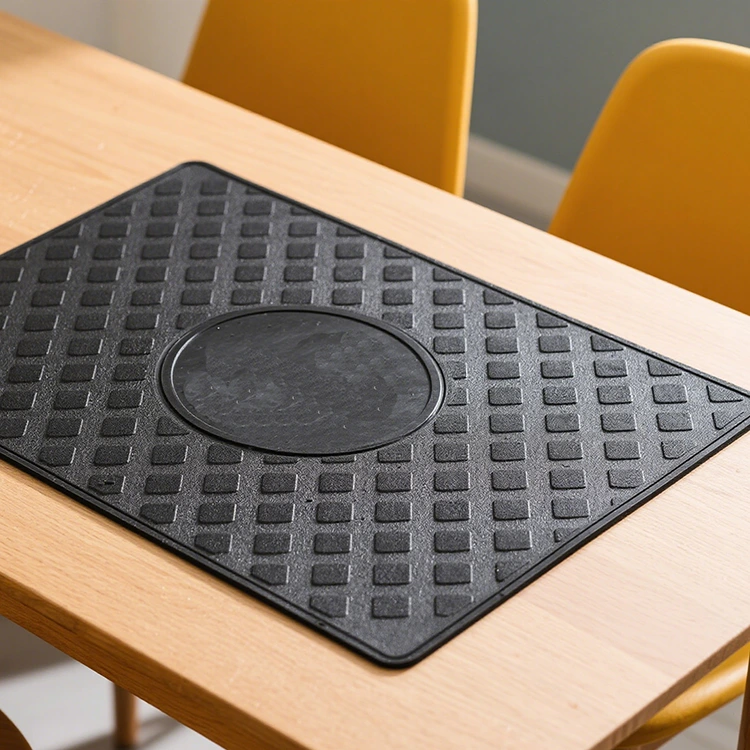
This is why advanced workspace solutions are gaining attention. A well-designed Waterproof Rubber Table Mat addresses several practical concerns by combining water resistance, anti-static protection, and comfortable operation into a single surface.
| Workplace Challenge | Possible Impact | Dual-Layer Solution Advantage |
|---|---|---|
| Static electricity buildup | Potential component damage | Helps control electrostatic discharge through conductive and dissipative layers |
| Liquid spills | Risk of corrosion or malfunction | Waterproof surface supports easier cleaning and protection |
| Long-term tool usage | Surface wear and reduced durability | Reinforced layers improve service life |
| Frequent cleaning | Material aging or deformation | Stable rubber structure maintains performance |
The purpose of dual-layer construction is not simply adding extra material thickness. It is about creating a functional structure where each layer contributes to a safer working environment.
Electrostatic discharge (ESD) control is a major consideration in electronics-related workplaces. Many components that appear strong externally can be highly sensitive internally. A sudden electrical imbalance may reduce reliability or shorten product lifespan.
A dual-layer mat usually combines a top working layer with a bottom conductive or grounding layer. The upper surface provides a comfortable and durable area for daily tasks, while the lower layer supports controlled static dissipation.
This layered approach creates a more balanced protection system compared with single-layer alternatives.
For example, when technicians handle circuit boards or electronic assemblies, the surface needs to prevent uncontrolled static accumulation while still allowing normal movement and operation. The combination of different rubber materials helps achieve this balance.
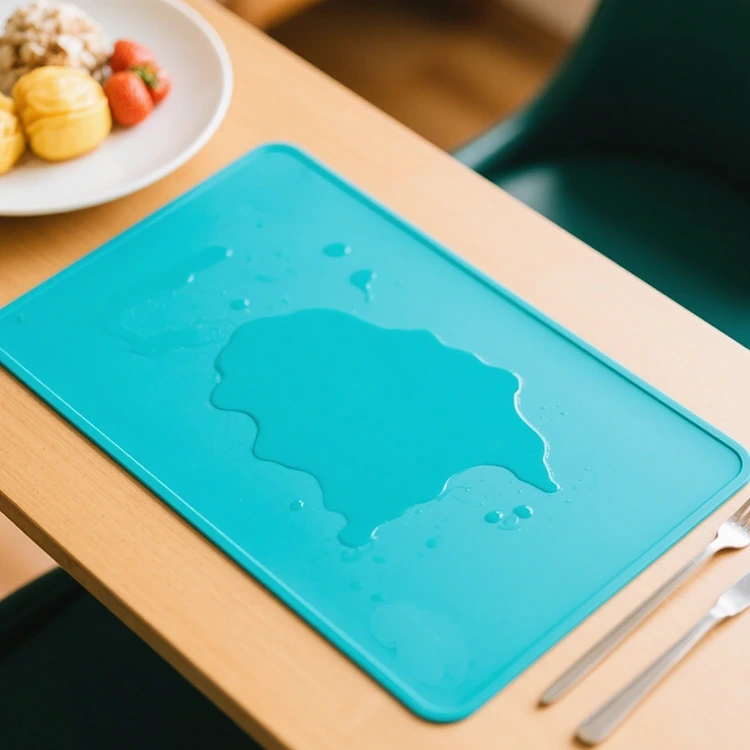
Electronics workspaces are not always exposed to large amounts of water, but small accidents happen frequently. Cleaning solutions, drinks, humidity, or accidental spills can create unexpected problems if the working surface absorbs moisture.
A Waterproof Rubber Table Mat provides an additional protection barrier by preventing liquids from easily penetrating the workspace surface. This feature supports easier maintenance and reduces concerns caused by accidental spills.
Beyond protection, waterproof capability also improves workplace efficiency. A surface that can be quickly cleaned allows operators to maintain a more organized environment without replacing coverings frequently.
| Feature | Single-Layer Rubber Mat | Dual-Layer Rubber Mat |
|---|---|---|
| Static control | Basic performance depending on material | Enhanced control through layered structure |
| Water resistance | Depends on rubber quality | Improved protection with sealed surface design |
| Durability | May experience faster wear | Better resistance to repeated use |
| User comfort | Varies by material | Designed for balanced softness and support |
| Maintenance | Requires careful cleaning | Easier daily care |
The comparison shows why layered construction is becoming a preferred direction for professional workspaces that require both protection and convenience.
Ningbo Xici Technology Co., Ltd. has developed its product portfolio through years of manufacturing experience and international market cooperation. Originally focused on household appliance-related production, the company has expanded into smart home products, sports accessories, office supplies, and digital peripheral products.
Supported by the production capabilities of Cixi Meibang Electric Appliance Co., Ltd., the company combines flexible manufacturing processes with quality control systems. The production environment integrates modern equipment, precision testing methods, and standards such as ISO-related quality management and RoHS environmental considerations.
This manufacturing foundation allows products such as rubber mats, floor mats, and table accessories to be developed with attention to practical user scenarios rather than focusing only on appearance.
A workspace surface influences daily operations more than many people realize. The right material can reduce maintenance pressure, improve organization, and provide a more comfortable experience for long-term tasks.
In electronics assembly, repair stations, laboratories, and smart office environments, a reliable surface solution needs to meet several expectations at once:
The development of products like the Waterproof Rubber Table Mat reflects a broader industry trend: workspace accessories are becoming more specialized and function-driven.
As industries continue adopting smarter technologies, the demand for practical and adaptable workspace products is expected to grow. Products are no longer judged only by basic functions but also by how well they support real working conditions.
The integration of traditional manufacturing experience with innovative product categories enables companies to respond to changing requirements across home, office, outdoor, and industrial environments.
Dual-layer construction represents this shift by showing how simple materials can be redesigned to solve multiple challenges. Instead of treating protection, durability, and convenience as separate goals, modern designs aim to combine them into one complete solution.
The evolution of ESD-safe workspace accessories shows that material structure plays a critical role in improving reliability and daily efficiency. Dual-layer designs provide balanced protection by combining static control, waterproof performance, and long-lasting usability. As industries continue seeking safer and more flexible work environments, solutions such as the Waterproof Rubber Table Mat from Ningbo Xici Technology Co., Ltd. demonstrate how thoughtful design can support modern electronics assembly needs.